
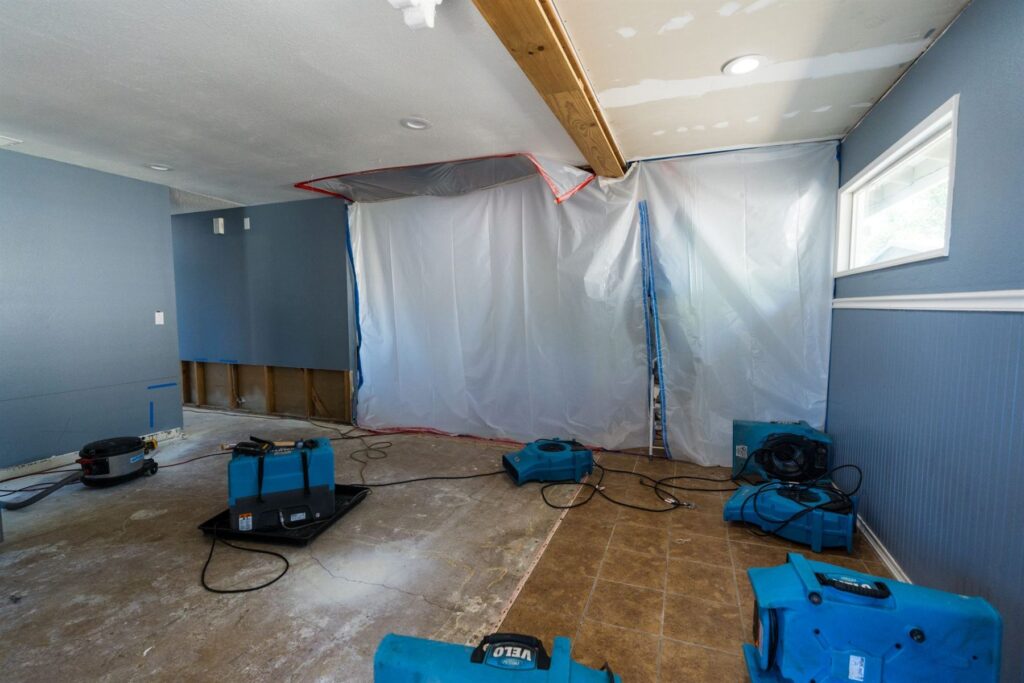
When a property experiences water, fire, or storm damage, the recovery process involves more than cleaning up the immediate mess. Damaged materials must be addressed, moisture and other hazards must be controlled, and affected areas may need extensive repairs before the property is fully restored. Understanding the process can help homeowners and business owners make informed decisions and feel more confident about the road ahead.
At Professional Restoration Services (PRS), property restoration involves addressing the initial damage and helping return the property to a safe, functional condition. From emergency mitigation to reconstruction, each stage plays an important role in protecting the structure and moving the recovery process forward.
Although mitigation and reconstruction are closely connected, they serve different purposes during property damage restoration.
Mitigation focuses on limiting additional damage after an incident. Depending on the situation, this may involve water extraction, structural drying, removing damaged materials, securing exposed areas, and cleaning affected spaces.
Reconstruction focuses on repairing and rebuilding the property after the immediate damage has been addressed. This can include replacing drywall and flooring, repairing ceilings, restoring damaged structural components, and completing other necessary repairs.
Both stages are essential to a comprehensive restoration process. Addressing the initial damage helps prevent further problems, while reconstruction brings the property closer to its pre-loss condition.
The first step in the restoration process is understanding the extent of the damage and identifying the actions needed to protect the property.
Water leaks, burst pipes, fires, and severe storms can affect multiple areas of a building. Restoration professionals assess the visible damage, identify affected materials, and determine which areas require immediate attention.
Depending on the situation, initial services may include stopping or controlling the source of damage when it is safe and appropriate, extracting standing water, or securing damaged portions of the structure. A thorough assessment also helps establish priorities for cleanup, drying, repairs, and reconstruction.
Once the immediate needs have been identified, mitigation begins. The goal is to limit the spread of damage and prepare the property for the next stage of restoration.
For water damage, mitigation may involve water removal, moisture detection, professional drying equipment, and dehumidification. Materials that cannot be adequately restored may need to be removed.
After fire damage, mitigation may include addressing smoke and soot residue, removing unsalvageable materials, and protecting areas exposed to the elements. Storm damage may require temporary roof coverings, board-up services, or other measures to secure the building.
The appropriate mitigation strategy depends on the cause of the damage, the building materials involved, and the severity of the loss.
Before reconstruction can begin, affected areas must be properly prepared. This stage may involve cleaning surfaces, removing debris, drying structural materials, and addressing damage that could interfere with repairs.
For water-related losses, verifying that affected materials have reached appropriate drying goals is especially important before closing walls or installing new flooring. Rebuilding over materials that remain excessively damp can contribute to additional problems.
Fire and smoke damage may require specialized cleaning to address residue and odors. Storm-related damage may involve removing compromised materials and confirming that the building is ready for permanent repairs.
Taking the time to complete this stage helps create a suitable foundation for reconstruction.
Once mitigation and necessary cleanup are complete, reconstruction can begin. The scope of work depends on the extent of the damage and the materials that need to be repaired or replaced.
Reconstruction services may include:
The objective is to return the property to a functional, finished condition while addressing the damage identified during the restoration process.
Coordinating reconstruction with the earlier mitigation work can also help property owners better understand the sequence of repairs and what to expect as the project progresses.
The final stage involves completing the remaining repairs, addressing finishing details, and reviewing the restored areas.
Depending on the project, this may include installing trim, completing paintwork, checking repaired surfaces, and ensuring that agreed-upon work has been addressed. Any outstanding items should be identified and handled before the project is considered complete.
For property owners, this stage is an opportunity to review the work and ask questions about any remaining concerns.
Managing property damage can be stressful, particularly when multiple types of work are needed. Coordinating separate providers for emergency cleanup, drying, repairs, and rebuilding can add complexity to an already challenging situation.
Working with a restoration provider that can help coordinate the process from mitigation through reconstruction offers several potential advantages:
Every property loss is different, so the exact services and project timeline will depend on the damage, the materials involved, and the scope of necessary repairs.
Recovering from property damage takes careful planning, timely mitigation, and quality repairs. Whether your home or business has experienced water damage, fire and smoke damage, or storm damage, understanding the restoration process can help you take the next step with greater confidence.
Professional Restoration Services helps property owners navigate the recovery process, from addressing the initial damage to coordinating the work needed to restore affected areas. If your property has been damaged, contact PRS to discuss your situation, request an assessment, and learn more about the appropriate next steps.